Behind the Mask: Uncovering Adult Autism and Neurodiversity
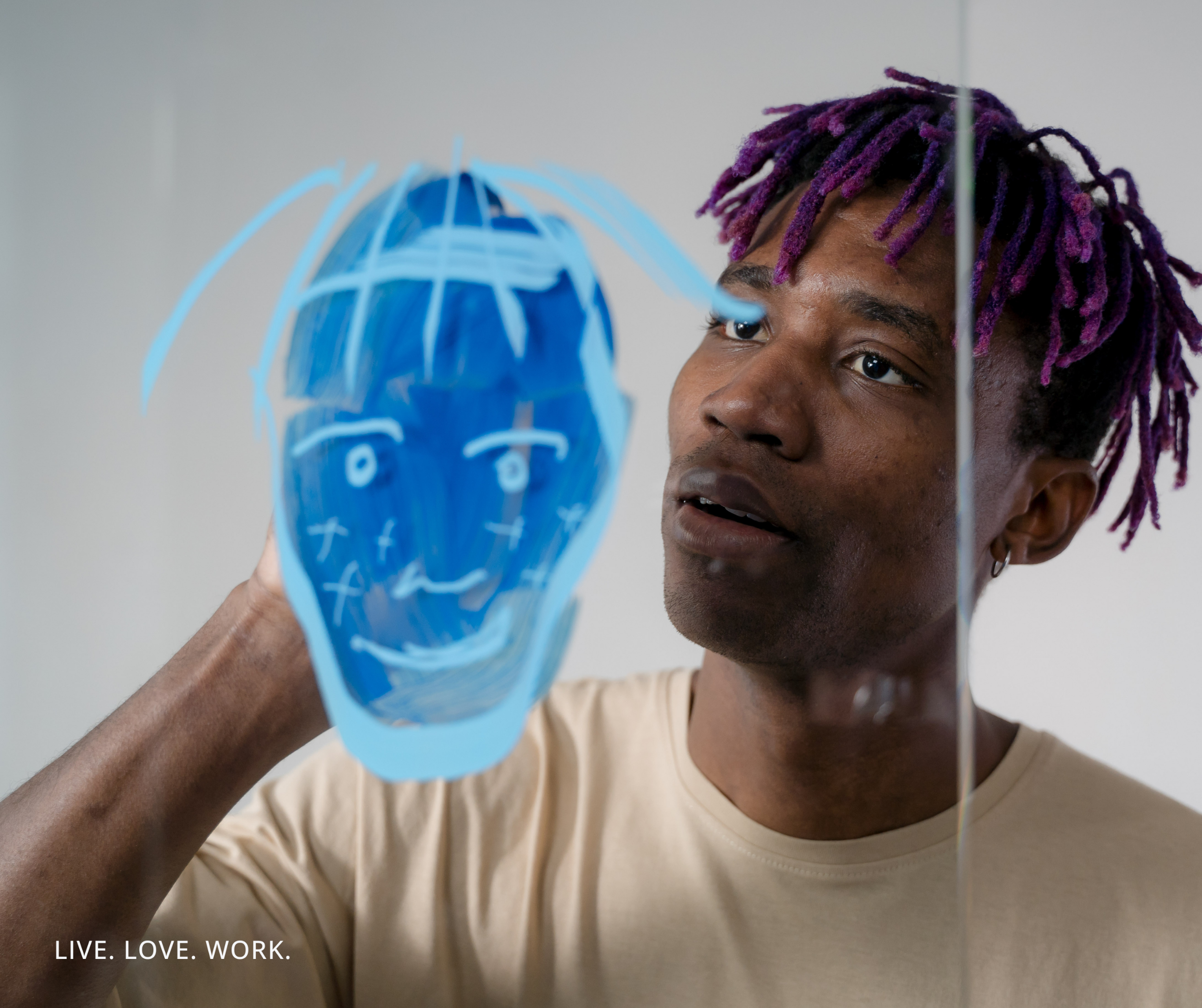
Many adults move through life without knowing they are autistic. They have learned to blend in, follow social rules, and meet expectations. This is often called masking. While masking helps people cope, it also hides real needs and creates strain over time.
Autism is not limited to childhood. Many adults receive a diagnosis later in life. Some seek answers after years of feeling different. Others reach a point where coping strategies stop working.
Common signs of adult autism include:
Social fatigue after conversations or group settings
Difficulty reading social cues or body language
Preference for routine and structure
Strong focus on specific interests
Sensory sensitivity to noise, light, or touch
Feeling overwhelmed in busy environments
Masking often begins early. You learn to copy behaviours, rehearse conversations, and suppress natural responses. This can look like success from the outside. Inside, it can lead to exhaustion, anxiety, and burnout.
Many adults describe a sense of relief after diagnosis. It gives language to lifelong experiences. It helps explain patterns in work, relationships, and daily life. It also opens the door to support.
Late diagnosis can bring mixed emotions:
Relief and validation
Grief for years without support
Anger or confusion
Hope for change
Understanding autism in adulthood shifts focus from “what is wrong” to “what works for you”. This is where growth begins.
Practical steps to support yourself:
Learn your triggers. Notice what drains your energy
Set clear boundaries. Protect your time and space
Adjust your environment. Reduce noise or visual clutter
Use routines to create stability
Communicate your needs in simple terms
Seek support from a psychologist or support group
Workplaces can also play a role. Small changes make a difference:
Clear instructions and expectations
Flexible work arrangements
Quiet spaces for focus
Respect for communication styles
Relationships improve with understanding. When people know how you process the world, they respond with more patience and clarity. Honest conversations reduce pressure to perform.
Neurodiversity recognises that brains work in different ways. Autism is not a flaw. It is a different pattern of thinking, feeling, and processing. When you stop masking, you gain access to your natural strengths.
These strengths often include:
Attention to detail
Deep focus
Honest communication
Creative problem solving
You do not need to fit a mould to belong. You need support that fits you.
If you suspect you are autistic, consider a professional assessment. A psychologist trained in adult autism can guide the process. Assessment provides clarity and direction for support.
Unmasking takes time. It is not about losing skills. It is about choosing when to use them. You move from survival to self-understanding.
Your experience is valid. Your needs matter. When you understand yourself, you make better choices for your wellbeing, your work, and your relationships.